Volvo backs Nvidia for hands-free city driving by 2030, ditching US Level 3 plans
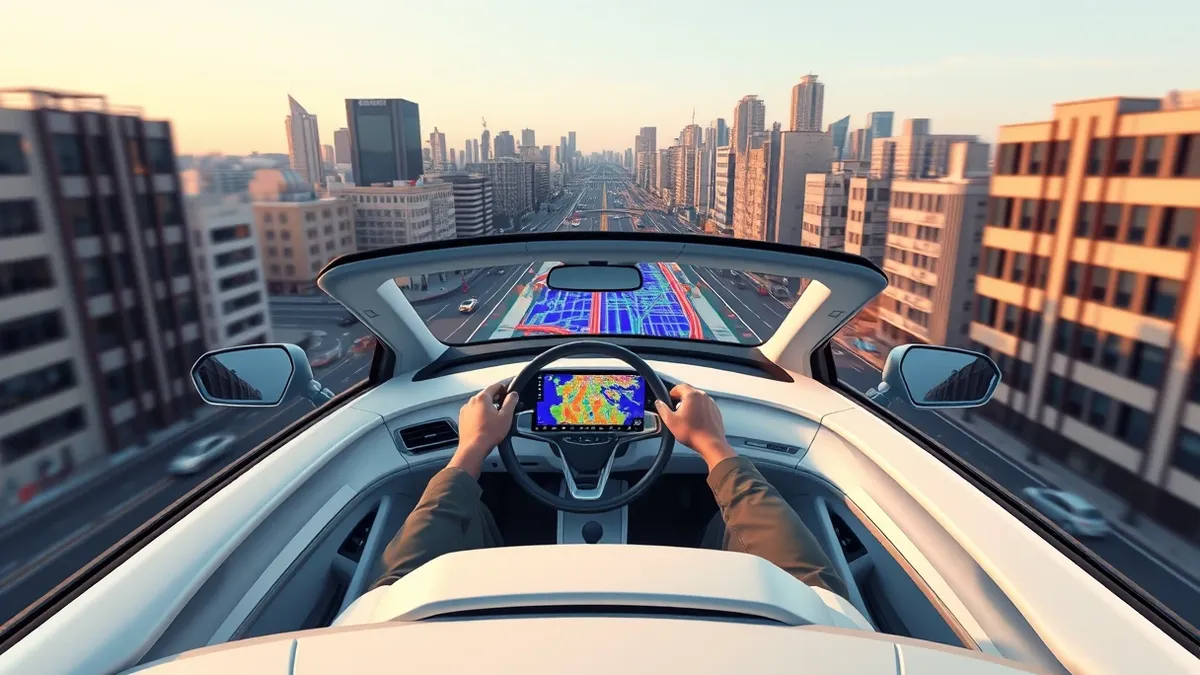
Volvo announced a partnership with Nvidia to launch a partially automated driving system that handles complex urban environments without driver hands on the wheel.
Key points
- Volvo plans to launch hands-free, point-to-point driving by 2030 using Nvidia’s autonomous driving stack.
- The new system is rated Level 2++ and will operate on local roads without lidar sensors.
- The automaker is shifting focus after sidelining its previous Level 3 unsupervised driving project in the US.
Volvo announced Thursday that it will launch a hands-free, point-to-point driving system by 2030, powered by Nvidia’s artificial intelligence technology. The Chinese-owned, Swedish-designed automaker stated it would use Nvidia’s autonomous driving stack to power this new partially automated system. This development impacts organizations managing fleet vehicles or evaluating advanced driver-assistance systems for future procurement.
What technology powers the new system?
Volvo will utilize Nvidia’s Hyperion platform, which includes high-powered silicon and additional sensors mounted around the vehicle to perceive surroundings. The automaker will also deploy Nvidia’s Alpamayo software. This software uses reasoning models to interpret complex road conditions and plan steering, braking, or acceleration actions. The setup will not include lidar sensors, though Volvo could add them later.
How does this compare to previous plans?
Volvo is expanding its partnership with Nvidia to address past challenges with automated driving projects. The automaker had to sideline its Ride Pilot Level 3 unsupervised system in the US after failing to obtain regulatory approval. Additionally, plans to add lidar sensors fell away after supplier Luminar went bankrupt. The new Level 2++ system handles complex urban environments, including traffic lights and unprotected left turns, without explicit driver control.
What role does safety play in this integration?
Volvo aims to combine its safety expertise with Nvidia’s technology to improve the overall system. Alwin Bakkenes, head of global software engineering at Volvo Cars, said the company will contribute proprietary driver-understanding systems. These systems analyze driver behavior in considerably greater detail than basic monitoring systems. Bakkenes noted that safety is synonymous with trust for the Volvo brand.
What does this mean for operations?
The system enables hands-free, point-to-point partially automated driving on local roads, similar to Tesla’s Full Self-Driver system. Ali Kani, VP and general manager of the automotive team at Nvidia, said the system resembles the Nvidia-powered system recently rolled out for the Mercedes-Benz CLA sedan. Operations teams should note that this is a partially automated system requiring driver supervision, not full autonomy.
Questions to ask your suppliers
Security and procurement teams should verify how third-party AI components are integrated into vehicle firmware. Check whether the supplier provides clear documentation on data handling for driver monitoring systems. Determine who is responsible for patching reasoning models when vulnerabilities are discovered. Ensure contracts specify liability for system failures in complex urban environments. Inform risk management and legal departments about the shift from supervised to hands-free capabilities. Confirm that the supplier has a transparent process for reporting safety incidents and regulatory compliance issues.
What to do and how to stay safe: Volvo
- Review current fleet policies to ensure they account for partially automated driving systems that require driver supervision.
- Monitor regulatory updates regarding Level 2++ systems to understand compliance requirements for operational use.
- Evaluate how third-party AI components in vehicles are secured and updated over the vehicle's lifecycle.
- Assess the impact of supplier bankruptcies or changes on the long-term support and safety of installed systems.
Step-by-step guide: Browser Security Settings for Small Business Teams
General security guidance from the TechSec Feed newsroom. It is not confirmed advice from the organisations named in this story.
Frequently asked questions
When will Volvo launch its new hands-free driving system?
Volvo plans to launch the hands-free, point-to-point driving system by 2030.
What Nvidia technology will Volvo use?
Volvo will use Nvidia’s Hyperion platform and Alpamayo software for the new system.
Will the new system include lidar sensors?
The setup will not include lidar, though Volvo could add the laser sensor in the future.