Apple HomeView Launches Nov 13: $299 Display Adds Matter Control and Facial Recognition
Apple introduces the $299 HomeView smart display, acting as a Matter controller and Thread border router for home automation networks.
Key points
- HomeView launches November 13 in eight countries for $299.
- Device features facial recognition for personalized Siri AI interactions.
- It functions as a Matter controller and Thread border router.
Apple released the HomeView smart display on Tuesday, entering the home automation hub market with a device priced at $299. According to The Verge, the product launches alongside new cameras, thermostats, and locks designed for the Apple Home ecosystem. The display is available for pre-order now, with shipments beginning November 13 in eight countries, including the US, UK, Canada, Australia, New Zealand, Singapore, South Africa, and India.
What is the Apple HomeView?
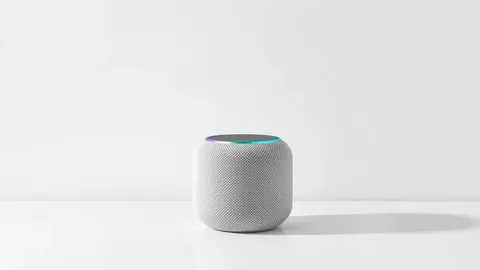
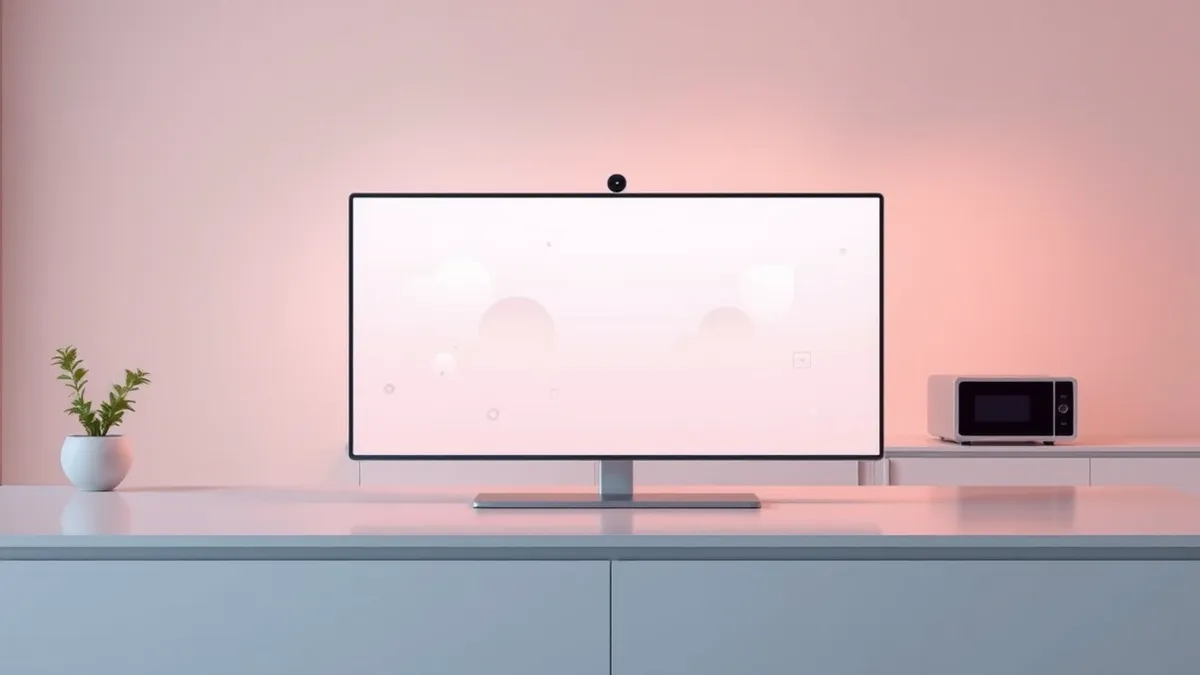
The HomeView is a touchscreen device featuring a 7-inch square Liquid Retina display, according to Engadget. It comes in two form factors: a tabletop version with an aluminum speaker base and a wall-mounted version without the base. The display has a maximum brightness of 500 nits and can dim to 0.3 nits. Interaction occurs via touch or voice; there are no physical buttons on the device.
How does it integrate with smart home networks?
The device acts as a smart home hub, Matter controller, and Thread border router, per The Verge. This allows it to orchestrate Apple Home and Matter-compatible devices. TechCrunch notes that the hub serves as a central control point for smart home devices, FaceTime calls, music playback, and photo slideshows. It competes directly with Amazon’s Echo Show and Google’s Nest Hub products.
What are the privacy and access controls?
Siri AI enables natural-language voice interactions and uses personal context from text messages, calendars, and emails, according to The Verge. Access to this personal data requires facial recognition and an Apple Intelligence-capable iPhone on the same network. This setup prevents other household members, such as children, from viewing private information. The device recognizes individual people to show customized content automatically.
Questions to ask your suppliers
Organizations deploying smart home technology should verify how devices handle user data locally versus in the cloud. Teams usually need to confirm whether facial recognition data is stored on-device or transmitted externally. Check whether the supplier provides clear documentation on network segmentation requirements for Matter and Thread devices. Determine who inside the organization is responsible for managing device credentials and firmware updates. Ensure that privacy policies address the collection of biometric data for personalized experiences.
Background: Biometric data
Biometric data uses unique physical or behavioral traits to verify identity. Systems capture this data, convert it into digital templates, and compare new inputs against stored records. This enables secure access control, financial transactions, and device unlocking without passwords.
Read the full guide: What Is Biometric Data Used For: Identity, Access, and Hidden Risks
What to do and how to stay safe: Apple
- Verify that the device is isolated from critical business networks using VLANs.
- Monitor network traffic for unexpected connections from the Thread border router.
- Review privacy settings to ensure facial recognition data is processed locally.
- Once the vendor provides an update, apply firmware patches immediately.
Step-by-step guide: Browser Security Settings for Small Business Teams
General security guidance from the TechSec Feed newsroom. It is not confirmed advice from the organisations named in this story.
Frequently asked questions
When is the Apple HomeView available?
Pre-orders are open now, with devices shipping November 13, according to The Verge.
How much does the HomeView cost?
The device costs $299 for both tabletop and wall-mounted versions, per Neowin.
Does it support Matter and Thread?
Yes, the HomeView functions as a Matter controller and Thread border router, according to The Verge.