Federal prosecutors charge OpenAI engineer with intercepting communications via hidden recorder
Federal prosecutors charge an OpenAI engineer with intercepting communications after he concealed a recording device in a conference room at the company's headquarters.
Key points
- Abdulrahman Alfozan was arrested and charged with using a device to intercept oral communications.
- OpenAI staff discovered the encrypted recorder, hidden in toilet paper, on September 30.
- Prosecutors allege Alfozan used a chatbot to research building layouts and recording device construction.
Federal prosecutors announced Tuesday that Abdulrahman Alfozan, a Saudi national employed as an engineer at OpenAI, was arrested on suspicion of bugging an executive conference room. The U.S. attorney’s office in San Francisco stated that Alfozan, who began working at the company in July 2025, remains in custody following his initial court appearance.
What was found and how was it discovered?
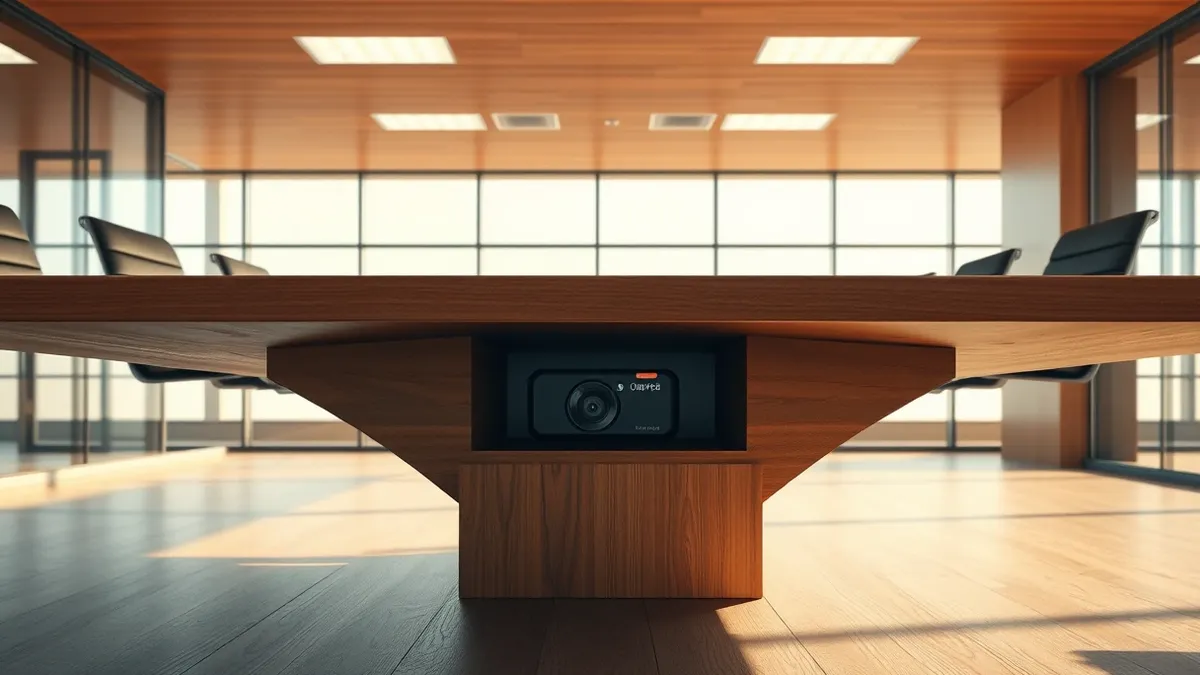
OpenAI personnel identified the audio recording device on September 30. According to the federal complaint, the device was plugged into a USB port on the back of a television and concealed within toilet paper. Investigators determined the installation occurred around September 28. The contents of the recorder were encrypted. A second similar device was later found in an unattended bag left by Alfozan in a different office area.
View the original post on X
What actions led to the arrest?
Prosecutors allege Alfozan used a productivity tool to query building addresses, meeting room capacities, and leadership calendars before the incident. A chatbot account linked to his spouse submitted prompts between September 24 and 30 regarding building, obscuring, and remotely accessing recording devices. Queries included how to encrypt SD cards and references to the specific device’s MAC address. Surveillance footage showed Alfozan near the restricted room on multiple dates prior to discovery.
What information was at risk?
The executive conference room hosted meetings involving confidential technical, commercial, and strategic information. According to the complaint, discussions included proprietary research, product plans, and government engagements. Alfozan was not authorized to enter the room or attend these meetings. The presence of the device in a space handling sensitive data raises concerns about potential exposure of intellectual property and strategic discussions to unauthorized parties.
What are the legal charges?
Alfozan faces charges for using or attempting to use a device to intercept oral communications. He was arrested on Friday and made his initial appearance in federal court on Tuesday. The U.S. attorney’s office confirmed that an unattended bag found in the offices contained his wallet, identification, and a second recording device.
Questions to ask your suppliers
Security teams should ask vendors how they monitor physical access to sensitive areas and whether employees receive training on device concealment tactics. Organizations need to verify that suppliers audit their own facilities for unauthorized hardware regularly. Leadership should be informed about the risks of insider threats involving recording devices. Check whether current policies restrict USB usage in executive spaces. Ensure that security protocols include regular sweeps for hidden electronics in meeting rooms.
What to do and how to stay safe: OpenAI
- Review physical access logs for executive and sensitive meeting rooms to identify unauthorized entries.
- Inspect conference room equipment, including televisions and USB ports, for concealed devices or tampering.
- Audit employee usage of internal productivity tools for queries related to building layouts or security bypasses.
- Once the vendor provides an update, implement stricter controls on USB device usage in high-security areas.
Step-by-step guide: AI Usage Policies at Work: How to Prevent Data Leakage
General security guidance from the TechSec Feed newsroom. It is not confirmed advice from the organisations named in this story.
Frequently asked questions
Who was arrested in the OpenAI bugging incident?
Abdulrahman Alfozan, a 35-year-old Saudi national employed as an engineer at OpenAI, was arrested on suspicion of planting an audio recorder.
When was the recording device discovered?
OpenAI personnel found the device on September 30, and investigators determined it had been installed around September 28.
What charges was the engineer facing?
Federal prosecutors charged Alfozan with using or attempting to use a device to intercept oral communications.